
Batter my heart, three-person’d God
By John Donne
Batter my heart, three-person’d God, for you
As yet but knock, breathe, shine, and seek to mend;
That I may rise and stand, o’erthrow me, and bend
Your force to break, blow, burn, and make me new.
I, like an usurp’d town to another due,
Labor to admit you, but oh, to no end;
Reason, your viceroy in me, me should defend,
But is captiv’d, and proves weak or untrue.
Yet dearly I love you, and would be lov’d fain,
But am betroth’d unto your enemy;
Divorce me, untie or break that knot again,
Take me to you, imprison me, for I,
Except you enthrall me, never shall be free,
Nor ever chaste, except you ravish me.
OK, it’s a Sunday and John Donne was a cleric, a one-time Catholic and of course a poet. Not that one is limited to writing poetry only on Sundays. However, Sunday is the day that Maria Popova posts her newsletter, The Marginalian, which used to be “Brainpickings” – preferred. It is deep with a lofty use of language. I struggle at times with her words, her concepts and her references. The realm of university professors, I thought with my high school teacher’s brain.
Today though was a discussion of words inspired by a new book, The Book of Human Emotions. Maria compares it to another publication, of which I own a copy, The Dictionary of Obscure Sorrows. Both authors pine for words to express ideas or feelings for which there are no words in English. The former suggests words from other languages and the later invents words.
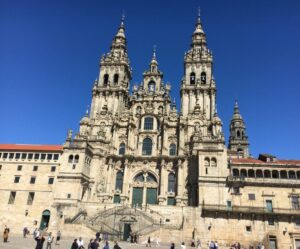
I too have pined for the exact word in English, which happens not to exist, to express an emotion, a concept or a fleeting sensation. Although according to Goggle, the English lexicon has almost 500,000 words – excluding slang, it is still limited. Or maybe I am limited. Again according to Google the average person knows about 20,000 to 35,000 words and uses between 1,000 to 3,000 in daily speech.
But this lament is an aside to my comment on the newsletter. In addition to mentioning The Dictionary of Obscure Sorrows, Popova cites the above poem and because I don’t know when to stop..scrolling, last week’s newsletter about (emotional) rivers mentions Olivia Laing whose book, To The River, I have read.
Wow. Have I made it? Well maybe I have, because I can not only understand and relate to Marginalia’s musings today, I can critique them. From The Book of Human Emotions, Maria lists ten words from other languages that are better at describing certain human emotions than any word in English. For example the word “saudade” from the Portuguese for a melancholic yearning for someone or something far away or lost. It’s a sad sounding word, but I prefer the Welsh “hiraeth.” It isn’t just sad, it aches.
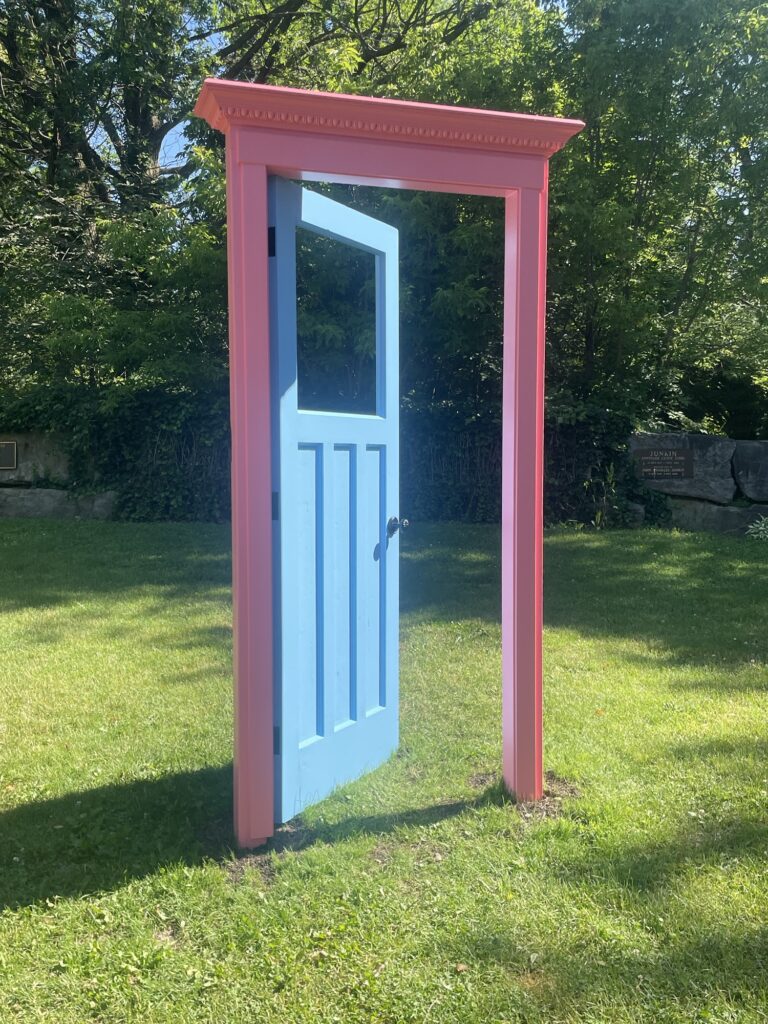
Also from The Dictionary of Obscure Sorrows I found that many of the invented words weren’t onomotopoeic enough. I have several older posts on this topic. One of my favourites is “Sermonimus.”
Popova mentions Donne’s poem as a footnote to the Sanskrit word “viraha” the kind of love felt during separation or abandonment. It is a multilayered word with a religious context – “the soul’s quest to find it’s(sic) spiritual home.” I often think of the poem’s opening line, especially when I walk a Camino. It does capture the struggle to find a Valhalla. (I will not mention the grammar error.)
May I have the last word – concupiscence – thy name is poetry.